Back to blog
International Student Recruitment Trends Universities and Agents Cannot Ignore
Nov 9th 2026 / BY
Findadmission
Share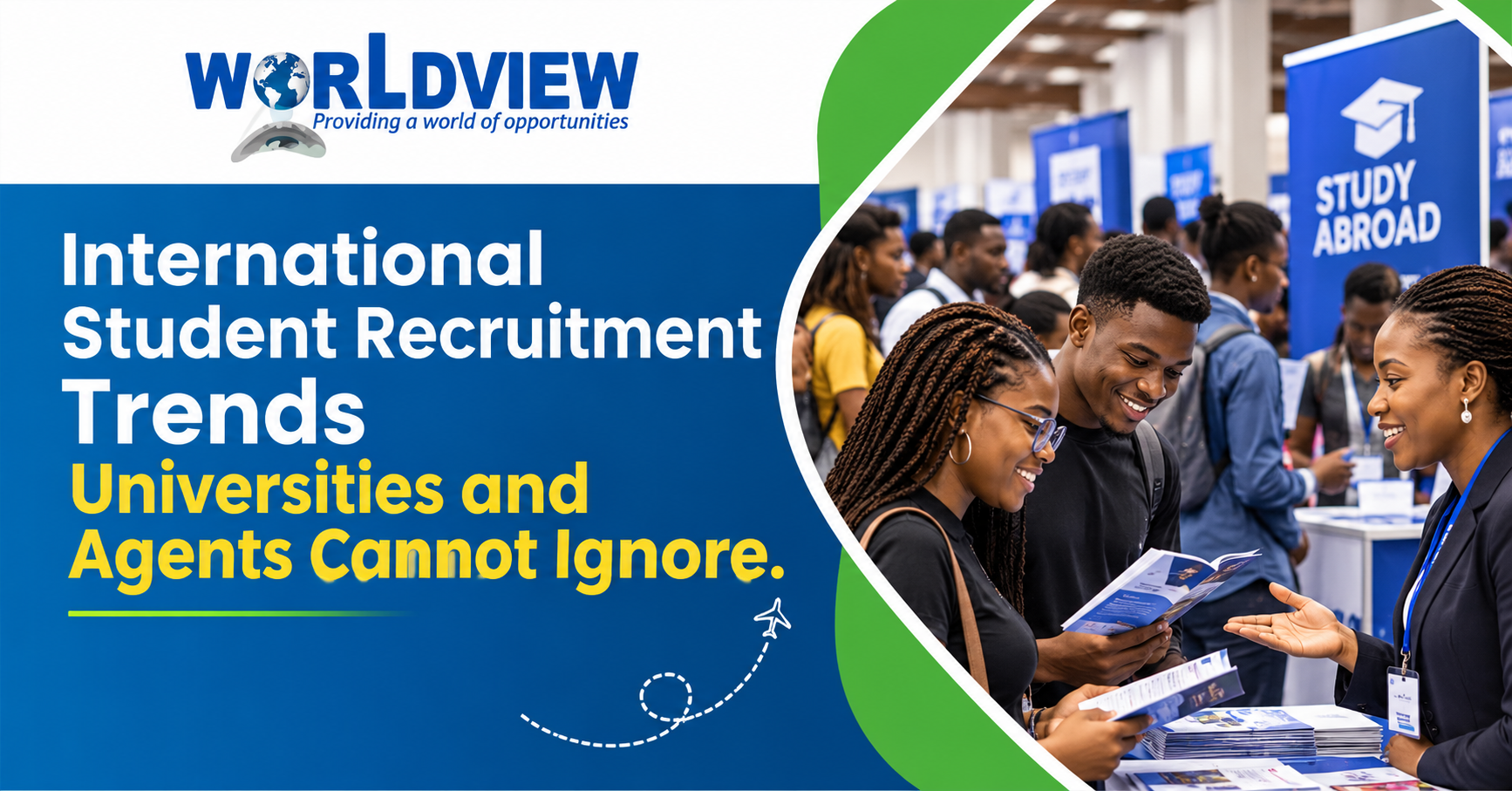
The international education market is changing, and universities that want to attract students from Africa need to pay attention.
For years, destinations such as the UK, Canada, the USA and Australia have remained popular choices for African students. However, the way students choose where to study is changing. Tuition fees, visa policies, employment opportunities and the overall student experience are becoming just as important as a university's reputation.
Students are asking more questions, comparing more destinations and taking longer to make decisions. For universities and recruitment agents, this means that traditional recruitment strategies may no longer be enough.
So, what is changing, and what should institutions be doing differently?
Here are four important trends shaping international student recruitment.
1. Affordability Is Becoming a Major Deciding Factor
For many African students and their families, studying abroad is a significant financial investment. Beyond tuition fees, they have to consider accommodation, feeding, transportation, health insurance, visa fees and other living expenses.
According to Navitas' 2026 Agent Perception Survey, 81.8% of respondents identified the cost of study as an important factor influencing student destination choices.
This means universities can no longer rely on academic reputation alone to attract students. Families want to understand the full financial commitment before making a decision.
What this means for universities and agents:
- - Make tuition fees and additional costs easy to understand.
- - Highlight available scholarships, bursaries and payment options.
- - Provide realistic estimates of living expenses.
- - Communicate the financial value of your programmes.
Universities that communicate affordability clearly and offer practical financial support can become more attractive to students who are comparing multiple destinations.
2. Visa Certainty Is Influencing Destination Choices Earlier
A few years ago, many students would choose their preferred university first and worry about the visa process afterwards. That is changing.
Visa requirements, processing times, financial documentation and the possibility of refusal are now influencing destination decisions from the beginning.
IDP's October 2026 Emerging Futures research found that 51% of prospective and applied students said their chances of obtaining a student visa strongly influenced the destinations they would consider.
For African students, where families may be investing years of savings into an overseas education, uncertainty around visa outcomes can significantly affect their willingness to apply.
What this means for universities and agents:
Provide clear, updated information about visa requirements.
Help students understand the financial and documentation requirements before applying.
Offer reliable pre-departure guidance.
Communicate honestly about visa processes without promising guaranteed approvals.
Institutions and agents that prepare students properly can build greater trust and reduce confusion throughout the recruitment journey.
3. Students Want More Than an Admission Letter
Getting an admission offer is exciting, but today's international students are thinking beyond simply securing a place at a university.
They want to know what happens after they arrive. Will they find accommodation? Can they work while studying? Will they have access to internships? What career opportunities will be available after graduation?
The OECD's 2026 report on international student mobility highlights how access to employment during studies and post-study work opportunities influence destination attractiveness and graduate retention.
For African students and their families, these questions are particularly important because studying abroad often represents a major investment in their future.
What this means for universities and agents:
Highlight internship, placement and industry partnership opportunities.
Communicate available career support services.
Explain work opportunities and restrictions accurately.
Showcase graduate success stories and employment outcomes.
Help students understand how their chosen programmes connect to real career opportunities.
Universities need to sell more than their courses. They need to communicate the opportunities, support and experiences students can expect throughout their academic journey.
4. Student Expectations Around Communication and Support Are Changing
Students today expect information to be accessible, communication to be timely and the application process to be straightforward.
They want to speak with university representatives, ask questions, receive application updates and understand what is happening at every stage.
For students applying from African countries, access to reliable information and responsive support can make a significant difference, especially when they are dealing with institutions in different time zones.
Using a platform like Findadmission gives you the chance to effectively speak with students, just like you chat, making communications accessible.
A delayed response or unclear application instruction can easily push a prospective student towards another university.
What this means for universities and agents:
Respond to enquiries promptly.
Provide clear application instructions and document checklists.
Use digital platforms to make university information accessible.
Build stronger relationships with trusted recruitment partners.
Maintain communication with students beyond the admission stage.
Recruitment should not end when an application is submitted. Students need guidance through admission, visa preparation, enrolment and arrival.
What Should Universities and Recruitment Agents Do Differently?
These developments point to one important reality: international student recruitment is becoming more competitive, informed and student-driven.
For universities looking to grow their African recruitment markets, success will depend on understanding what students actually need, not just how many applications an institution can generate.
Here are a few practical areas worth prioritising:
- - Understand your market: Research the countries, programmes and financial expectations of the students you want to attract. African markets are diverse, so avoid treating the continent as one uniform recruitment market.
- - Strengthen agent partnerships: Work with credible recruitment agents who understand their local markets and can provide students with accurate information.
- - Improve your communication: Make it easier for students to access information, ask questions and receive timely responses.
- - Promote real student outcomes: Share authentic testimonials, graduate experiences, internship opportunities and career support services.
- - Invest in relationship-building: Participate in education fairs, institutional visits, school engagements and industry events that allow you to connect directly with students and recruitment partners.
International student recruitment is no longer just about having an attractive university website or offering admission to international applicants. It is about understanding changing student priorities, building trust and showing prospective students why your institution is the right choice.
For universities and recruitment agents working across Africa, the opportunities are still significant. However, institutions that listen to their markets, adapt their strategies and build meaningful partnerships will be better positioned to compete.
The question is no longer just how many students you can recruit, but how effectively you can attract, guide and support the right students.
Stay informed about the developments shaping international education. Visit Worldview website for industry insights, recruitment opportunities, and upcoming events.